Mechanic and impact gloves
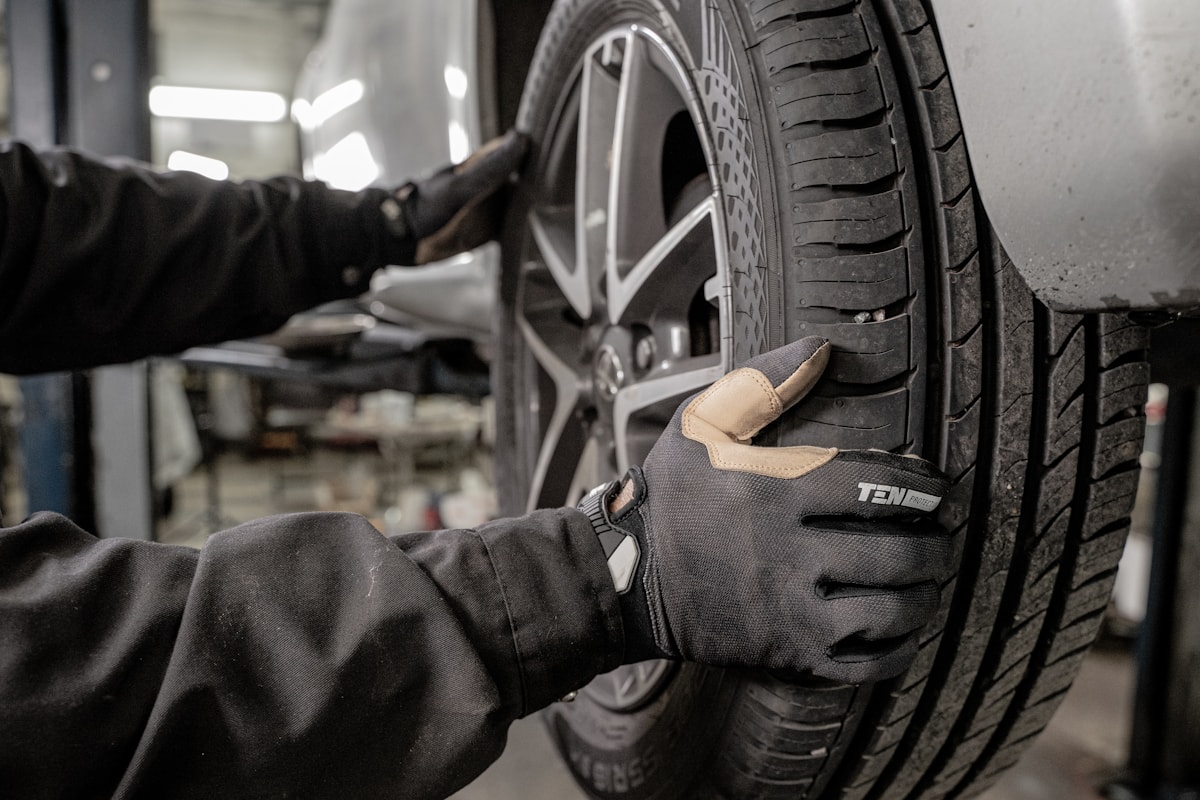
Mechanic gloves sit between light assembly knits and heavy leather. On HPC Gloves work glove guides, the useful split is grip, abrasion, and optional impact padding for knuckles and fingers.
What these gloves are for
- Automotive and equipment repair with oily fasteners
- Field service where tools and housings bang knuckles
- Material handling that needs more palm life than a cheap cotton glove
- Jobs that still need fingertip feel for small hardware
Features that change the buy
| Feature | Why it matters |
|---|---|
| Synthetic leather or reinforced palm | Survives wrench work and abrasion longer than thin knits |
| Oil-resistant coating or grip zones | Keeps hold on fasteners and tool handles |
| TPR knuckle and finger guards | Helps with impact and pinches; adds bulk |
| Touchscreen fingertips | Useful if you log work on a phone or tablet mid-job |
| Breathable back of hand | Matters for all-day wear in warm bays |
Impact padding is not a cut rating. If blades or sheet edges are the main risk, start with the cut-resistant guide and only add impact features if the model still meets the cut level you need.
When to skip the padded mechanic glove
- Fine electronics or tiny fasteners where bulk kills feel
- Chemical immersion or solvent washing (use a chemical glove)
- Welding or hot work (use welding gloves)
Buying checklist
- List the top three hand risks on the job: oil grip, abrasion, impact, or light cut.
- Pick palm material for the greasiest surface you handle daily.
- Only pay for TPR if knuckles truly take hits; padding is wasted bulk otherwise.
- Size with the size chart. Mechanic gloves that bag at the fingertips snag on hardware.
- Test one pair on a full service call before outfitting a crew.
Where the impact and cut marks come from
"Impact rated" means something specific, and it is worth knowing which document a supplier is leaning on when they say it:
- International Safety Equipment Association (ISEA): Holds ANSI/ISEA 138, the North American classification for impact-resistant hand protection, and ANSI/ISEA 105 for the cut side.
- CEN and CENELEC: EN 388, where the optional P mark for back-of-hand impact on European labels comes from.
- OSHA personal protective equipment: What a hazard assessment has to cover before anyone picks a glove for the bay.
Independent product education only. Match PPE to your shop hazard assessment and manufacturer instructions.