Work glove size chart
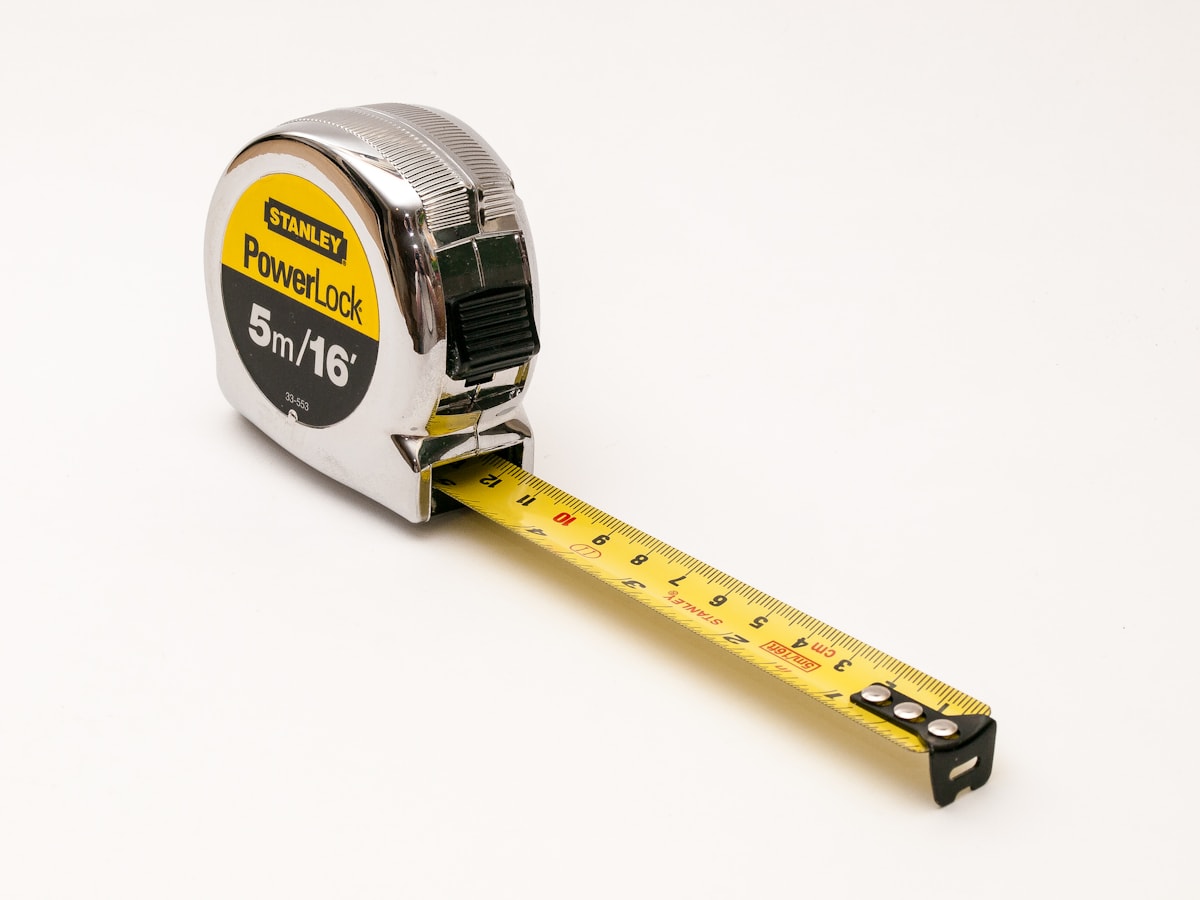
A correctly sized glove stays put, keeps grip, and lets cut or chemical liners do their job. This HPC Gloves sizing guide is a practical starting point. Always confirm the brand's own size table when it differs.
How to measure
Measure the dominant hand. The dominant hand is slightly larger on most people, and a glove that fits the larger hand will fit the other. A soft fabric tape measure is more accurate than a string marked against a ruler, but a string is fine if you keep it taut and flat.
- Circumference: wrap a soft tape around the dominant hand at the knuckles, excluding the thumb. Keep the hand flat and relaxed, palm up, and do not pull the tape tight. Record inches and centimeters.
- Length: measure from the wrist crease (the fold where the hand meets the forearm) to the tip of the middle finger. Keep the hand flat and fingers together.
- Compare both numbers to the chart below. If circumference and length point to different sizes, default to the circumference size for cut-resistant knit gloves. For gloves with long fingers (some chemical and welding gauntlets), weight the length measurement more heavily.
- Sit between sizes? Try both before you commit to a case. Thick cut liners usually feel better in the true measured size rather than one size up.
Circumference and length chart (general industrial)
| Size | Circumference (in) | Circumference (cm) | Hand length (in) | Hand length (cm) |
|---|---|---|---|---|
| XS | 6 to 7 | 15 to 18 | 6.0 to 6.5 | 15 to 17 |
| S | 7 to 8 | 18 to 20 | 6.5 to 7.0 | 17 to 18 |
| M | 8 to 9 | 20 to 23 | 7.0 to 7.5 | 18 to 19 |
| L | 9 to 10 | 23 to 25 | 7.5 to 8.0 | 19 to 20 |
| XL | 10 to 11 | 25 to 28 | 8.0 to 8.5 | 20 to 22 |
| XXL | 11 to 12 | 28 to 30 | 8.5 to 9.0 | 22 to 23 |
Common fit problems and fixes
| Symptom | Likely cause | Fix |
|---|---|---|
| Fingertips have empty flaps that snag | Glove too long in the finger | Drop one size, or pick a brand that runs shorter in the fingers |
| Palm balloons when you make a fist | Glove too loose in circumference | Drop one size; do not size up for comfort |
| Liner fails early at the fingertips | Fingers too short, fabric under load | Size up in length only, or try a brand with a longer finger cut |
| Seams dig into the web of the thumb | Glove too narrow through the palm | Move up one size, or switch to a knit liner without seams |
| Glove slides down on overhead work | Cuff too loose or open | Switch from slip-on to a knit wrist or safety cuff |
| Hands fatigue after an hour | Glove too tight, or too thick for the task | Confirm true size; if right, move to a higher-gauge, thinner liner |
Fit checks after you put the glove on
- Fingertips should reach the end without empty flaps that snag.
- You should make a fist without the palm ballooning or seams digging in.
- Cuffs should stay put when you reach overhead or pull wire.
- Coated palms should contact the work surface fully when gripping a tool.
Special cases
- High cut liners: bulkier yarns can feel tight. Prefer the correct size and a more flexible model over sizing up and losing protection.
- Chemical gloves: allow for liners underneath if your procedure uses them.
- Welding gloves: a touch of room can help heat comfort, but oversized gauntlets reduce TIG control.
Sizing FAQ
How do I measure my hand for work gloves?
Wrap a soft tape measure around the dominant hand at the knuckles, excluding the thumb, to get circumference. Then measure hand length from the wrist crease to the tip of the middle finger. Compare both numbers to the brand size chart. If circumference and length point to different sizes, default to the circumference size for cut-resistant knit gloves.
Should I size up if I am between sizes?
Usually no. A loose glove folds at the palm, snags on stock, and reduces cut protection. Pick the true measured size, especially for cut-resistant knit gloves. The main exception is welding gauntlets, where a little room can improve heat comfort, but oversized gloves hurt fine control on processes like TIG.
Why do my gloves fit the palm but feel short in the fingers?
Your hand length and circumference point to different sizes. Some brands run a half-size short in the fingers, and some cuts are built on a narrower last. Try the next size up in finger length, or switch to a brand that publishes both circumference and length ranges. Do not ignore it, since short fingers cause early liner failure at the fingertips.
Is a European size 9 the same as a US large?
Often close, but not always identical. European glove sizing uses a numeric scale based on hand circumference in centimeters, while US sizing uses letter sizes. A size 9 usually lands at large, but brand charts vary. When in doubt, use circumference in inches or centimeters against that brand table.
Sizing rules published elsewhere
Glove sizing is less standardised than cut rating, which is why brand tables disagree. Two standards bodies and one regulator set the rules that do exist:
- CEN and CENELEC: EN ISO 21420, the general requirements standard that sets how European glove sizes map to hand circumference and length.
- International Organization for Standardization (ISO): The ISO half of the same 21420 document, plus the dexterity test that sits alongside the sizing rules.
- OSHA personal protective equipment: The requirement that PPE actually fits the worker it is issued to, which is why sizing is a safety step and not a comfort one.
Next steps
Once size is settled, return to the hazard guide that matches the job: cut-resistant, chemical-resistant, welding, or mechanic and impact.